Freedom for Sale by John Kampfner John Kampfner examines Singapore to ask whether freedom can be sacrificed for prosperity, writes Peter Preston
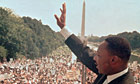
Hellhound on his Trail by Hampton Sides A new book about Martin Luther King's assassin James Earl Ray has echoes of Frederick Forsyth but lacks a satisfying denouement, says Peter Preston
The Uses of Pessimism and the Danger of False Hope by Roger Scruton The villains that stalk Roger Scruton's new book are those convinced that things can only get better, writes Kenan Malik
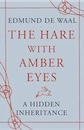
The Hare With Amber Eyes: A Hidden Inheritance by Edmund de Waal The potter believes in the existential hum of objects, but this tale of a family heirloom misses the bigger picture, says Rachel Cooke
Globish: How the English Language Became the World’s Language by Robert McCrum Deborah Cameron examines Robert McCrum's history of linguistic globalisation
African Soccerscapes: How a Continent Changed the World’s Game by Peter Alegi; Africa United: How Football Explains Africa by Steve Bloomfield The World Cup organisers have lost sight of the sport's immense contribution to African culture and politics, says David Goldblatt
Hitch 22: A memoir by Christopher Hitchens Christopher Hitchens hasn't mislaid his passion for polemics in this unapologetic account of his life, says Toby Young
Beatrice and Virgil by Yann Martel A pretentious and humourless follow-up to his 2002 Booker-winning Life of Pi, says Sarah Churchwell
Trotsky: A Biography by Robert Service Robert Service's biography of the Russian revolutionary reveals the real reason Trotsky was outmanoeuvred by Stalin, says Rafael Behr
On Evil by Terry Eagleton A new analysis by Terry Eagleton argues that evil is complex and extremely rare – despite what the tabloids might say, writes Richard Coles
T.J. and the hat-trick & T.J. and the penalty by Theo Walcott Review: Theo Walcott's sticks to what he knows with his foray into child fiction, with surprisingly good results
The Surrendered by Chang-Rae Lee Chang-Rae Lee's fourth novel spends a long time telling the reader the same thing repeatedly, says Leo Robson
Crisis Economics: A Crash Course in the Future of Finance by Nouriel Roubini and Stephen Mihm The man who predicted the credit crunch argues that it's not just banks that must change to avert more trouble, says Ruth Sunderland
A Kestrel for a Knave by Barry Hines Barry Hines's classic is redolent of the 1960s but retains a universal appeal, says Imogen Carter