
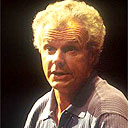
British audiences will clap politely after just about anything, in respectful recognition of the efforts of the orchestra, the music or the conductor, occasionally all three. But when it is time for a long-serving conductor to leave, they aren't shy about showing their real feelings. In a touching tribute to Yan Pascal Tortelier's 10 years with the BBC Philharmonic, the applause went on until nearly all of the Bridgewater Hall audience was on its feet, as orchestra and audience alike showed their affection and appreciation for him.
Tortelier saved some of his compatriots' tenderest music for his farewell concert: Barbirolli's suite from Debussy's Pelléas et Mélisande, and the second suite from Ravel's Daphnis et Chloé. For a time, Maeterlink's 1892 drama about doomed love and fratricide replaced Romeo and Juliet as the locus classicus of romantic tragedy. Of all the major musical realisations of Pelléas, Debussy's is the least obviously romantic. Taken out of its operatic context, its subtlety can seem to border on understatement, and despite a beautifully fluid performance, the response was lukewarm. Ravel's glorious Daphnis et Chloé, however, more than made up for that.
Tortelier's final choice of work - the three central movements from Berlioz's vast choral symphony Roméo et Juliette - probably appalled as many people as it delighted. Berlioz's idea of using Romeo and Juliet as the basis for a gigantic symphonic canvas was a stroke of genius. The balcony scene became the slow movement, Mercutio's description of Queen Mab the scherzo, and the Capulets' ball an upbeat allegro. But its realisation was not a complete success: the slow movement drags, the scherzo refuses to sparkle, while the ball scene pulls out all the stops, launching into a riotous dance of astounding crassness. Perhaps that was Berlioz's ironic commentary on the grotesque absurdity of the train of events that led to the lovers' deaths. On this occasion, the applause was no more than polite. But that made the final steady climb to standing ovation for Tortelier all the more genuine.
