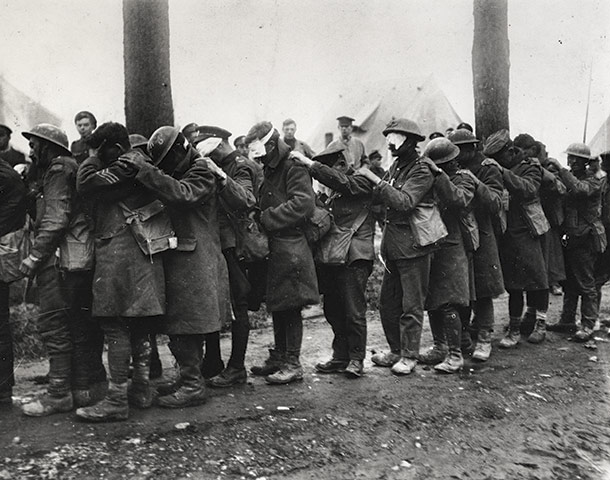
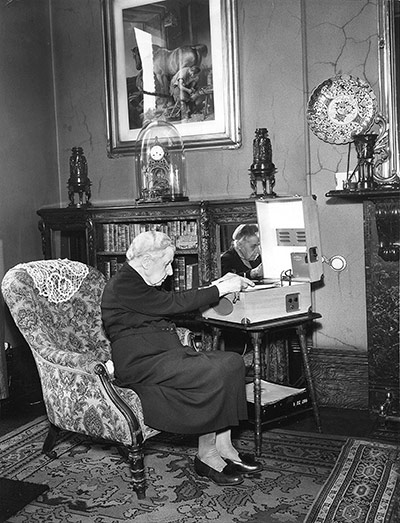
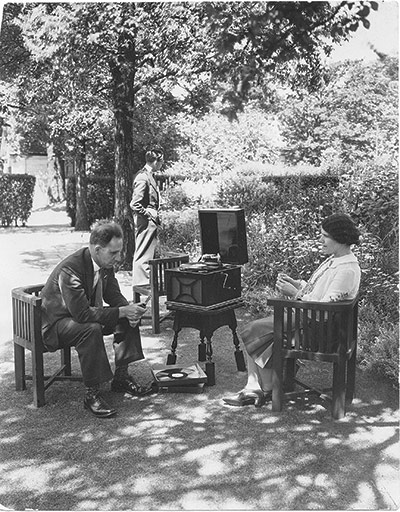
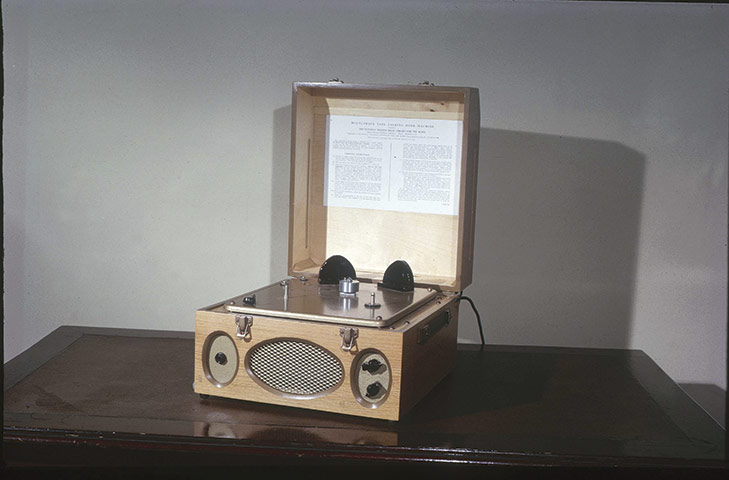
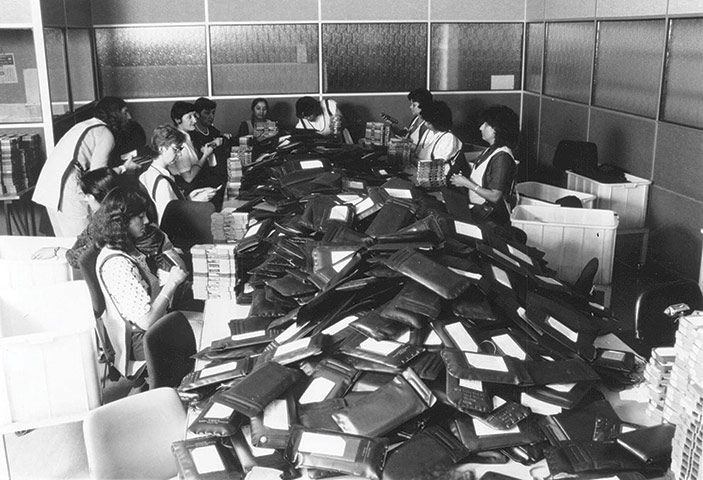
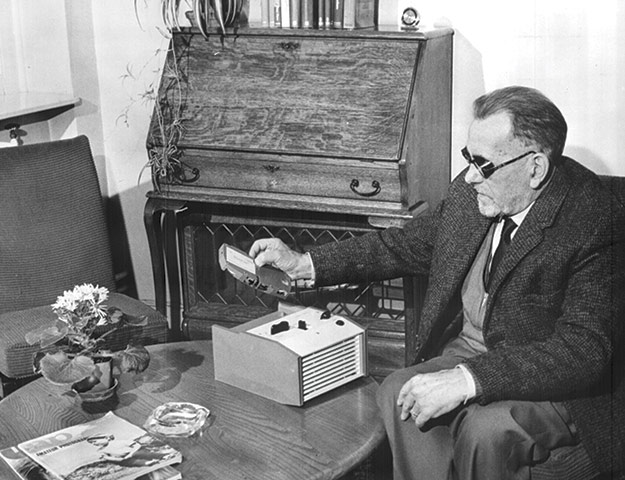
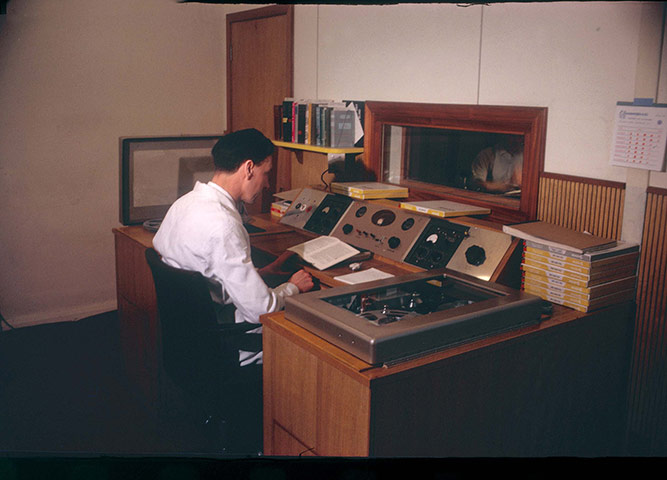
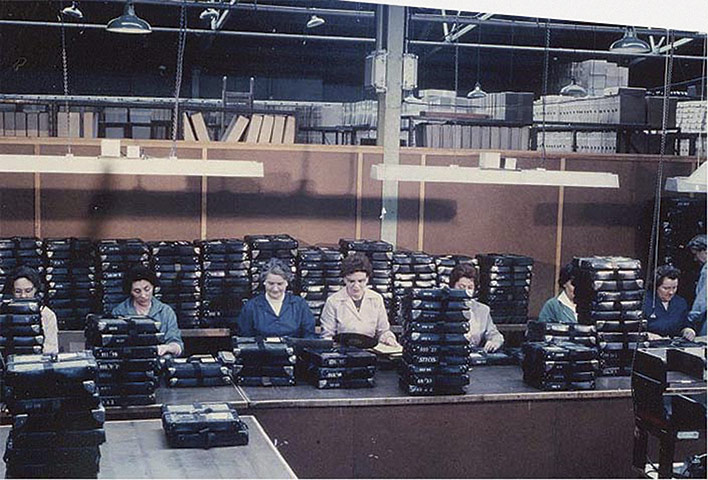
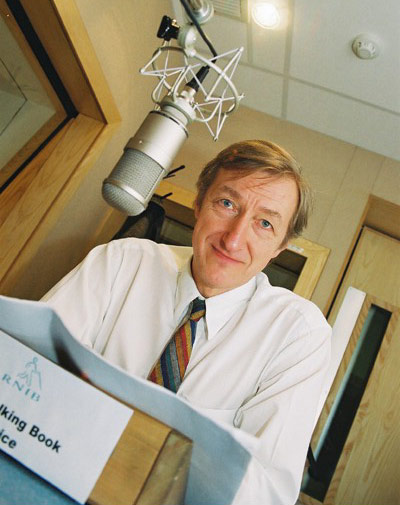
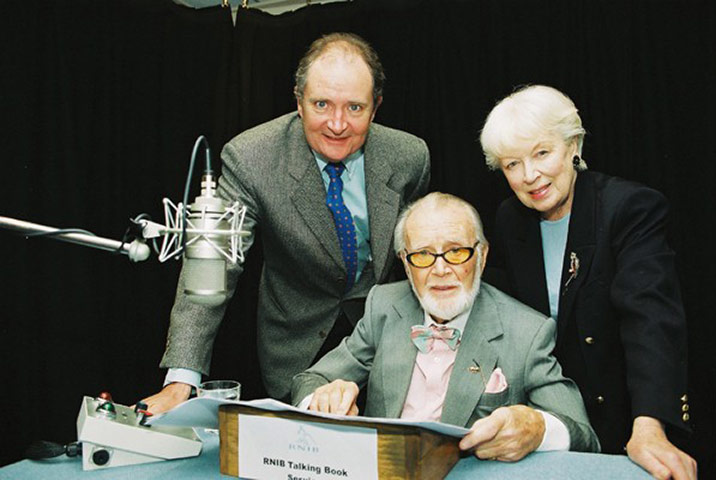
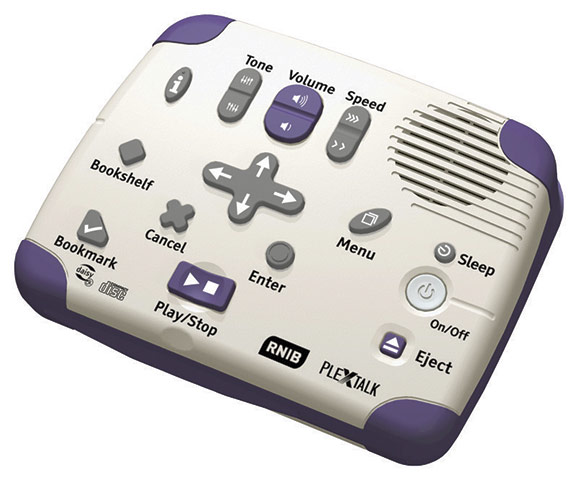
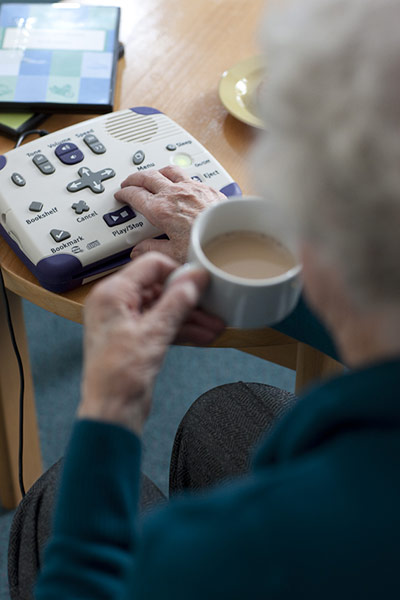
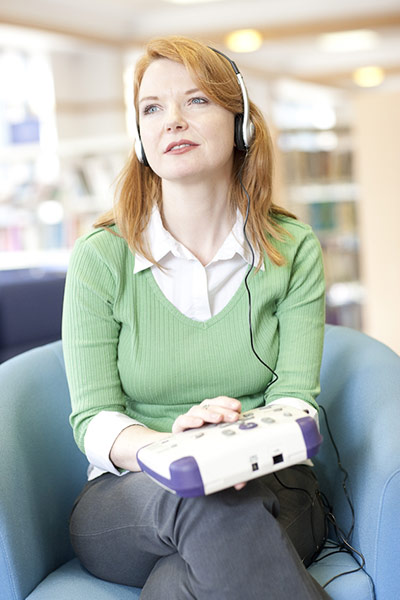
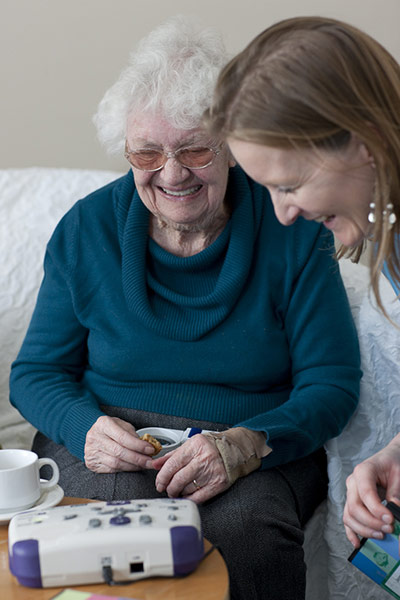
In 1920 the RNIB began testing books that could talk, to help soliders blinded during the first world war who were finding Braille difficult to learnPhotograph: Imperial War MuseumBy 1926 the RNIB was testing long-playing records to be played on gramophones. It was largely due to this that LP records were developed for playing music in the UKPhotograph: RNIBTalking Books received an enthusiastic reaction from blind and partially sighted people. The books were recorded on 12-inch discs made from shellac. A typical novel would fit on to 10 double-sided recordsPhotograph: RNIBThe Society of Authors and the Society of Publishers supported the Talking Books service with permission to record books. The Post Office granted a special cheap postage rate for the booksPhotograph: RNIBBy September 1937, 966 machines had been sent out to readers, and 42 new titles recordedPhotograph: RNIBIn 1940, the recording studio was bombed. Fortunately, one recording machine survived and recording began again in August 1941. During the war the American Foundation for the Blind sent a gift of 500,000 gramophone needles to the RNIB. However, they were destroyed by enemy forces in the UK docks. The Americans resent their gift Photograph: RNIBPhotograph: Action imagesThe RNIB Talking Book studio, 1960Photograph: RNIBDiscs are packaged up ready for dispatchPhotograph: RNIBMany famous writers, authors, actors and celebrities have contributed to the Talking Books service. Here Julian Barnes works in the studioPhotograph: RNIBJim Broadbent, Sir John Mills and June Whitfield all offer their talents in the studio in 2001Photograph: RNIBThe RNIB Daisy Player. In 1998, an appeal headed by Melvin Bragg was launched to fund a new service that would turn the books into a digital format. By 2002, books were recorded digitally, and digital Talking Book players had been sent out Photograph: RNIBPhotograph: Action imagesThe digital Talking Book player. Since the Talking Books service started, 75m books have been issued to more than 2 million peoplePhotograph: RNIB/Igor EmmerichFrom a collection of almost 18,000 titles, customers can choose to read anything from thrillers to travel, romance to comedy, or sci-fi to westernsPhotograph: RNIBTalking Book players now have colour contrast buttons and talking instructions, so they can be used easily by people with sight problems
Find out more about Talking Books Photograph: RNIB/Igor EmmerichPhotograph: RNIB/Action images